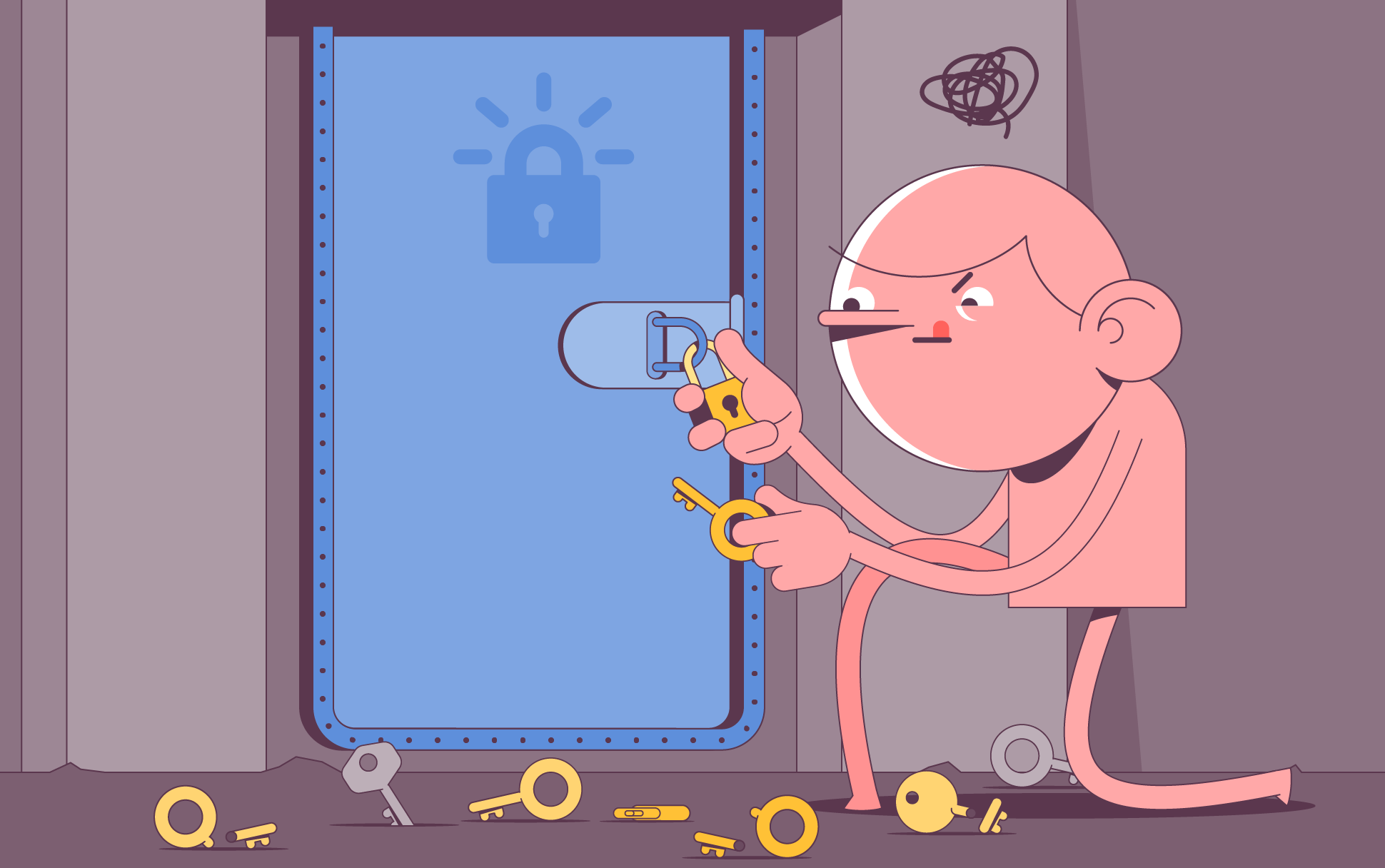
A few days ago, Certificate Authority Let’s Encrypt announced it would need to revoke nearly two million SSL certificates due to improper issuance.
A few days ago, Certificate Authority Let’s Encrypt announced it would need to revoke nearly two million SSL certificates due to improper issuance.

Recent findings from FingerprintJS, a browser fingerprinting and fraud detection service, have revealed that a software bug in Safari 15 can leak your identity and allow any website to track your Internet activity. The bug is related to the Apple browser’s implementation of an application programming interface (API) called IndexedDB, which is designed to store data in your browser.
Read on to learn more about the API and how exactly it’s leaking this data.
Read more
Good news for those who value privacy-focused applications — DuckDuckGo is adding a desktop web browser to its repertoire of privacy solutions.

The EU parliament has voted through two pieces of legislation with the aim of leveling the tech industry playing field in Europe: the Digital Markets Act and Digital Services Act.

By now, it probably seems like you know all about how to protect yourself online. You’ve downloaded the antiviruses, implemented the firewalls, your password is uncrackable, and you reckon you could spot a phisher a mile off. But do you know how to protect yourself from social engineering?
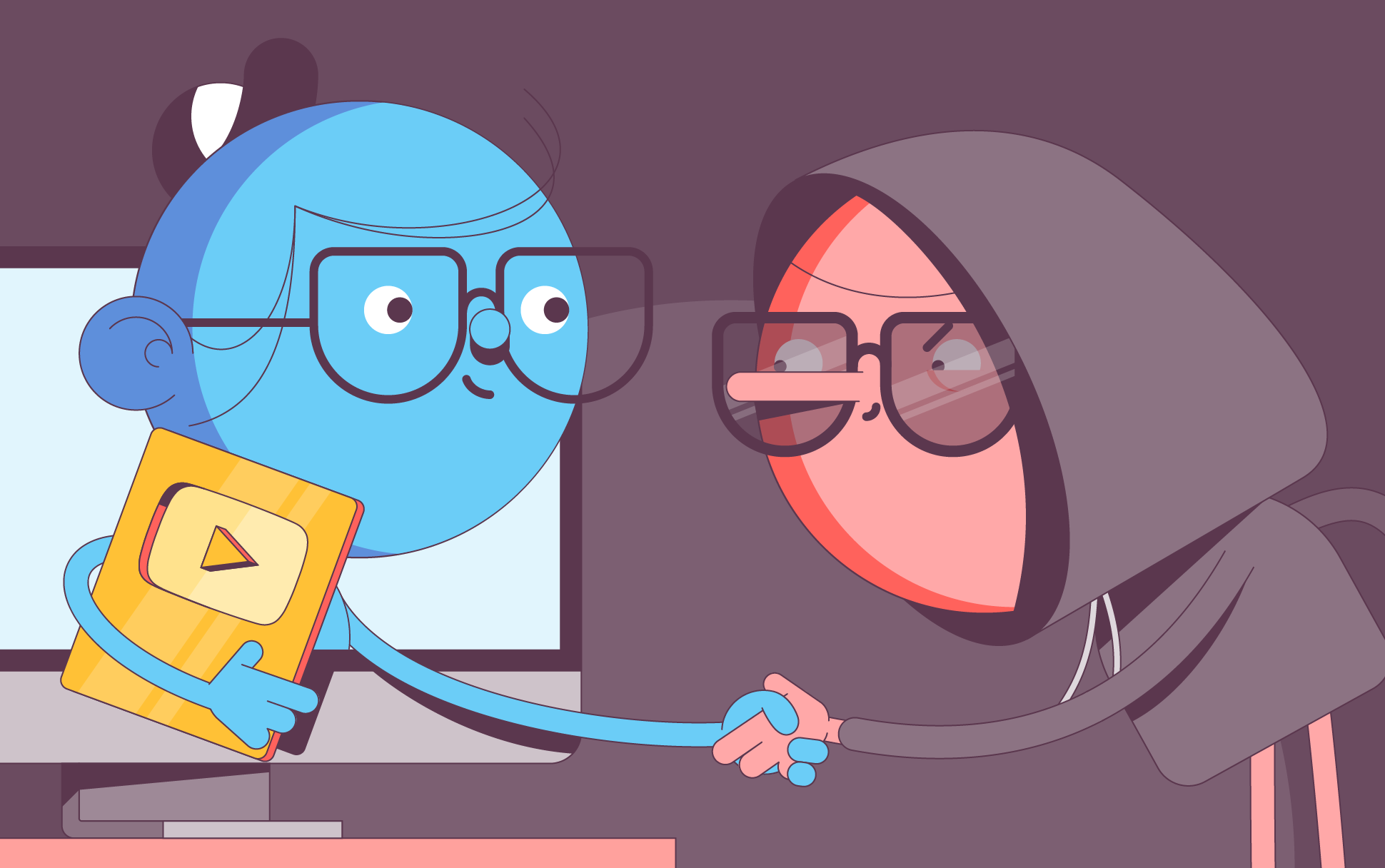
Google has released a report outlining how their Threat Analysis Group disrupted an extensive phishing campaign targeting YouTubers with Cookie Theft malware since 2019. Stopping the hackers in their tracks was no mean feat, considering the campaign involved 15,000 fake accounts and sending over 1 million messages to targets.
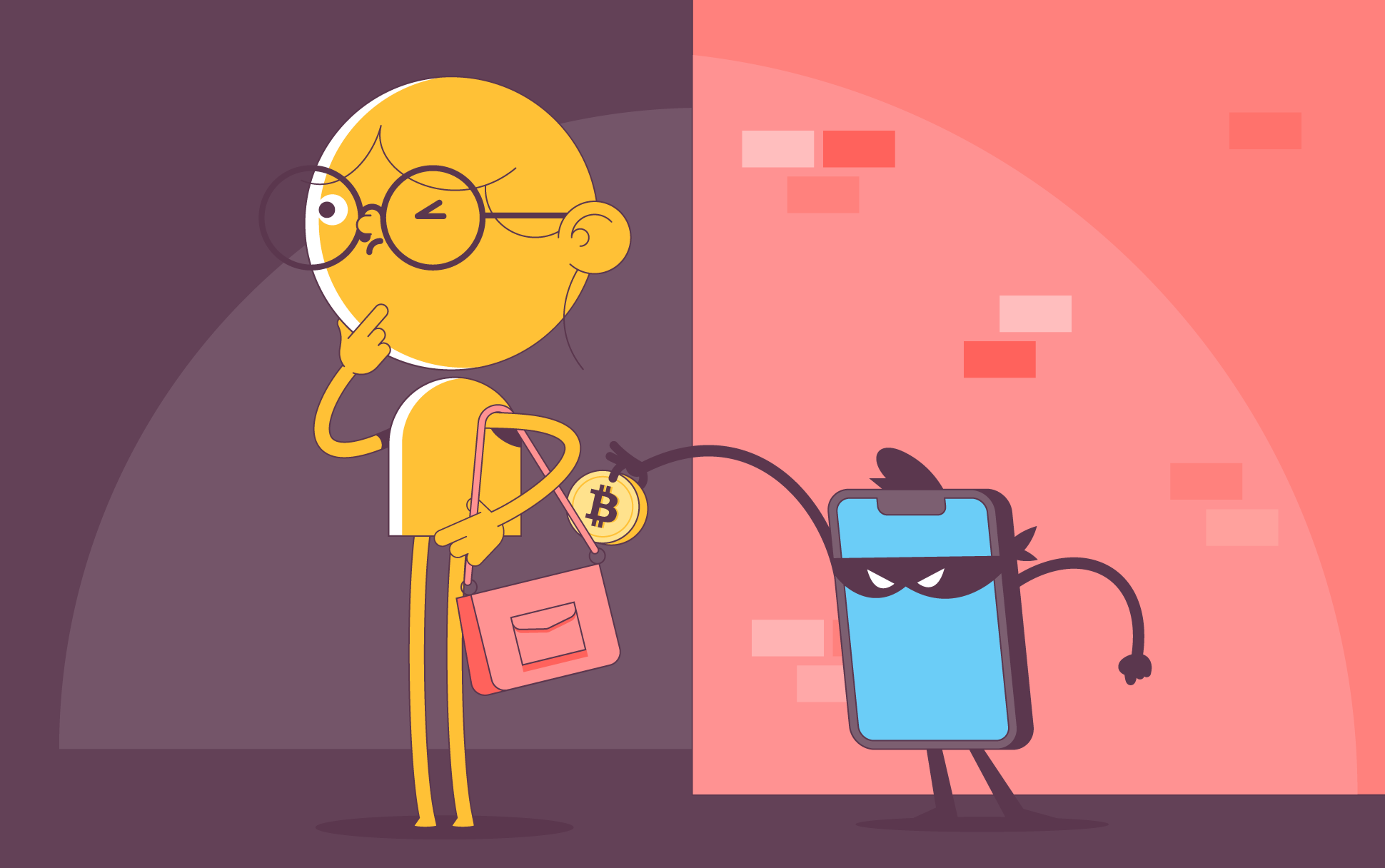
A 20-year-old man in Pennsylvania has pleaded guilty to his involvement in a “SIM swap” and cryptocurrency theft scheme. Kyell Bryan carried out the plan in 2019 with several others. After he too pleaded guilty, Jordan Milleson, a co-conspirator in the scheme, was sentenced to two years in federal prison earlier this year.