
Remote Desktop Protocol (RDP) is a protocol that allows remote access from one computing device to another over a network connection. A proprietary protocol developed by Microsoft, RDP is available on most versions of Windows.
Read moreRemote Desktop Protocol (RDP) is a protocol that allows remote access from one computing device to another over a network connection. A proprietary protocol developed by Microsoft, RDP is available on most versions of Windows.
Read more
Swatting is the act of sending emergency services to a specific location under a false claim. A type of criminal harassment technique, swatting is commonly associated with the gaming community, but many other high-profile incidents have also occurred.

Software as a service (SaaS) is everywhere, so much so that you’ve likely used it in your everyday life without even realizing it. A type of web-based software that’s delivered via the Internet, SaaS is typically centrally hosted by a cloud provider, with users accessing it through a web browser or app. In addition, SaaS is usually subscription-based, with customers paying a monthly or annual fee to use the service.

Following a massive cyberattack targeting Ireland’s health service IT infrastructure across the country nearly two weeks ago, many hospitals are still without computer services. Believed to have been launched by a cybercriminal group known as Wizard Spider, a ransomware tool called Conti was used to attack the Health Service Executive (HSE). It’s the worst cybercrime attack on an Irish state agency to date.
Read more
On May 7th, Colonial Pipeline, a major US fuel pipeline serving the country’s east coast, was the target of a cyber-attack by a hacker group known as DarkSide. The consequential closure of the pipeline caused fuel shortages and panic buying among those living in the affected states.
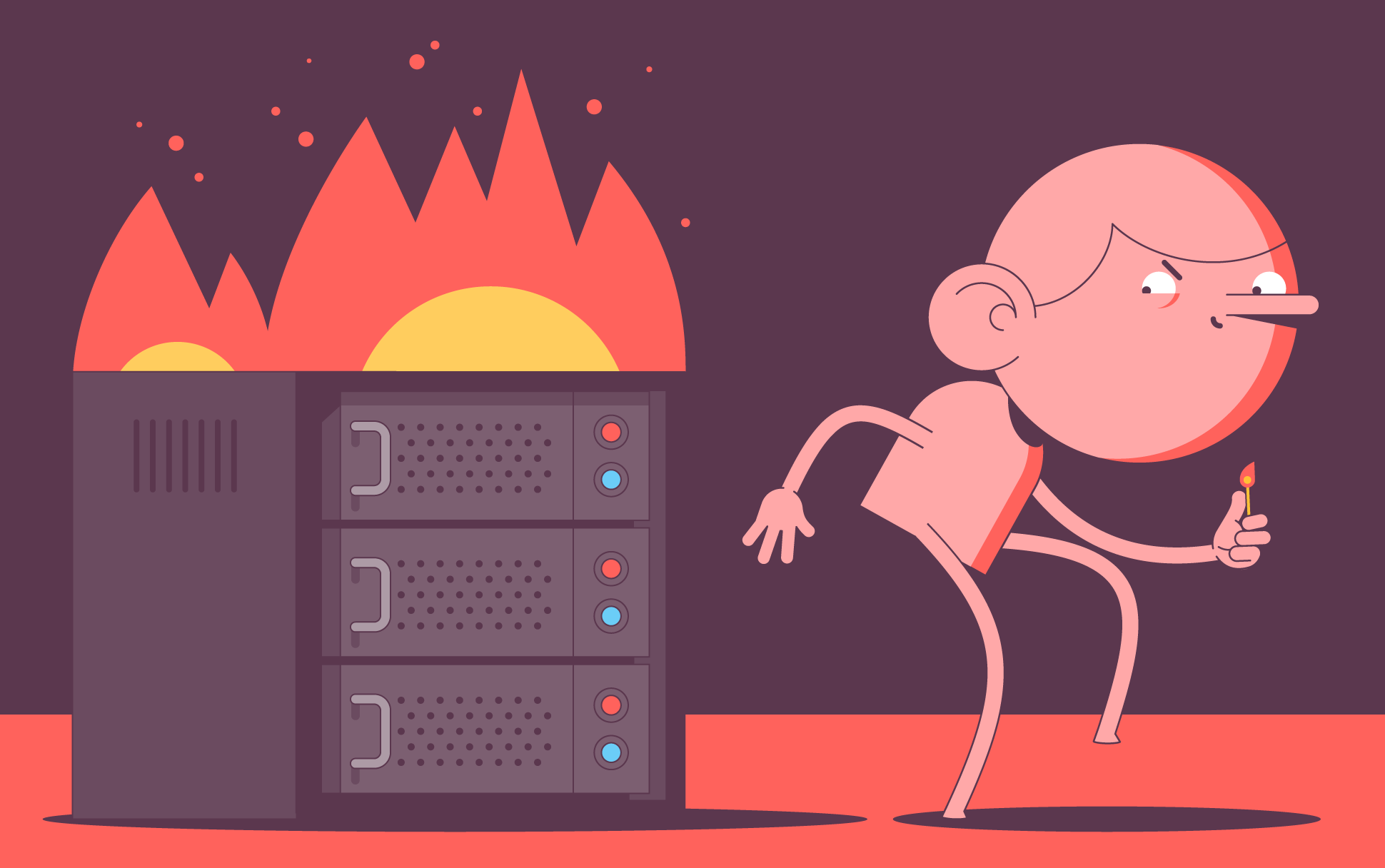
To the less tech-savvy among us, serverless computing probably isn’t exactly what it sounds like. So then, what is it, exactly? Well, it’s a type of cloud computing where cloud providers manage the execution of code for software developers, a marked change from how applications were once traditionally built and deployed.

Have a website? Want it to get found in search engines? If the answer to these questions is “Yes”, then it’s likely you’ve given search engine optimization (SEO) a go at some point, or at least more than a passing thought. While the impulse when getting started with SEO is often diving headfirst into keyword research and link building (where spelling is super important; you should know the difference between affect and effect, for example), there are some lesser talked about aspects of SEO that are just as important. Namely, two crucial files you should have on your site: robots.txt and sitemap.xml.